
Paver Pros in New Jersey has been involved in the custom paver business for years. We find that many people do not know really what pavers actually do. For many, they don’t hear of the term until they are looking at buying a new home, fixing up their current home, or adding a patio, driveway, pool or other addition to their homes and properties.
Essentially, “pave” means to cover a road, path, walkway, etc with a surface such as stones, bricks, tiles or concrete. Paver is the noun form of this action, meaning the business of (profession), person doing or subject in regard to creation of this action of paving. The word paver comes from Latin literally meaning “to ram down.” You can imagine seeing this action of men “ramming” stones down to create old flat brick and stone roads.
In modern terms, pavers have come to specifically mean interlocking concrete, composite or brick flooring. This flooring is generally used outdoors in “hardscaping” areas like pools, walkways, patios, driveways, etc. The bricks themselves are cast and their designs interlock creating unique beautiful patterns and looks. The difference between paver stones/bricks and a normal brick, stone or tile is that these use grout in the joints and usually pavers just lock and set together, again interlocking with each other. Paver stones can be made of many different substances but can include clay, brick, cement and other miscellaneous aggregate compounds.
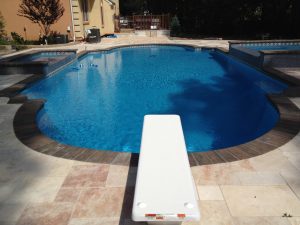
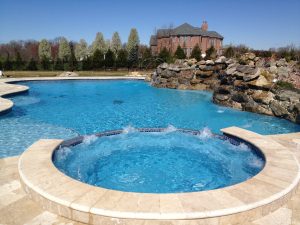
An example of this over all definition would be, “We hired Paver Pros to install paving stones around the pool and patio, and it looks amazing!”
The history of pavers goes fairly far back in history. We touched on the history above with the definition of paver going back to the Latin word “pavīre.” Since this is the first time the word is used, in modern time, we can see the relationship of where paving first appeared in history (although there are obviously earlier ruins that show paving was done by the oldest civilizations on the planet).